
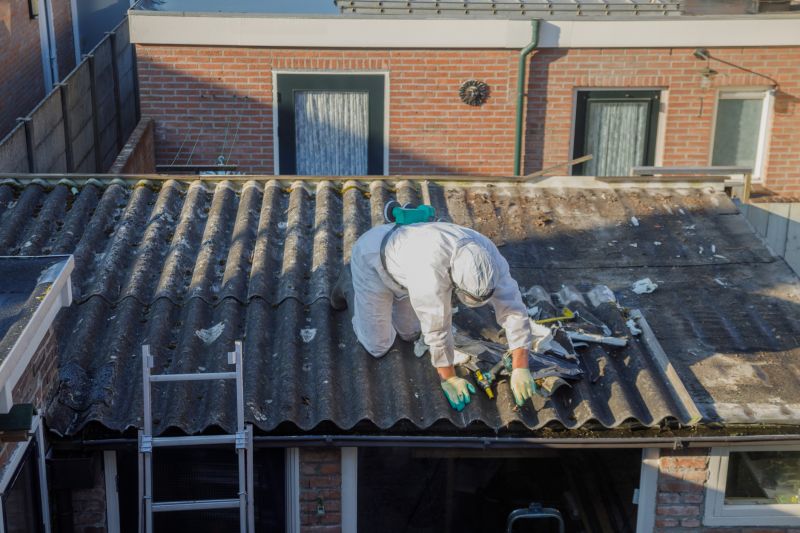
Asbestos Encapsulation in Freehold, NJ
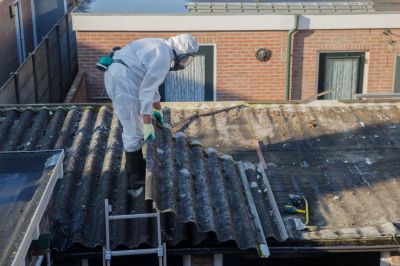
Asbestos encapsulation is a service designed to safely contain asbestos-containing materials within a property, preventing the release of fibers into the air. This process involves applying a protective coating or sealant over existing asbestos materials, such as roofing, siding, or flooring, to isolate them from the living environment. It is often requested during renovation projects, property inspections, or when asbestos materials are in good condition but need to be secured for ongoing safety. Homeowners typically seek information about whether encapsulation is appropriate for their specific situation, the types of materials that can be encapsulated, and the benefits of choosing this method over removal.
Before requesting asbestos encapsulation, property owners should understand the condition of their existing asbestos materials and consult with professionals to assess whether encapsulation is suitable. It is important to recognize that encapsulation is a containment strategy, not a removal method, and may be recommended when asbestos is undisturbed and in good condition. Clarifying the scope of the project, the materials involved, and the potential need for ongoing inspections can help ensure the encapsulation process aligns with safety standards and property maintenance goals.
Many property owners in Freehold, NJ look into Asbestos Encapsulation for repairs, replacements, upgrades, and appearance-related improvements.
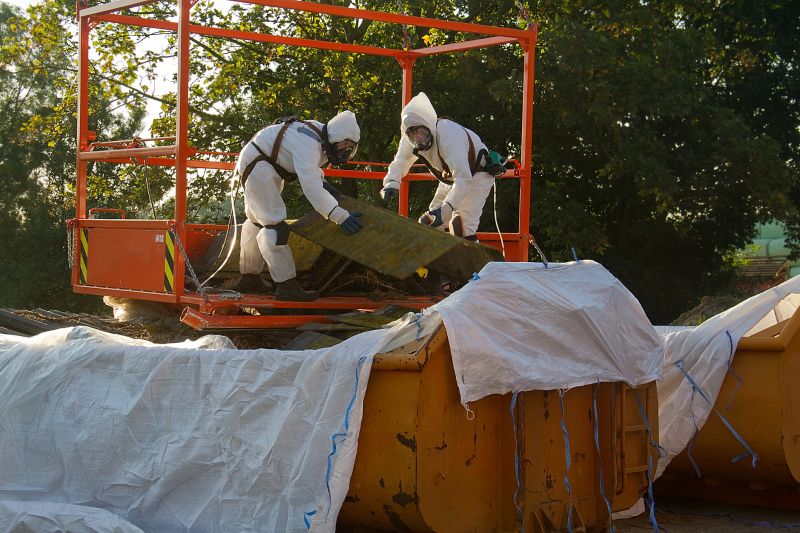
Benefits Of Asbestos Encapsulation
Encapsulation helps contain asbestos fibers, reducing health risks in residential and commercial properties.
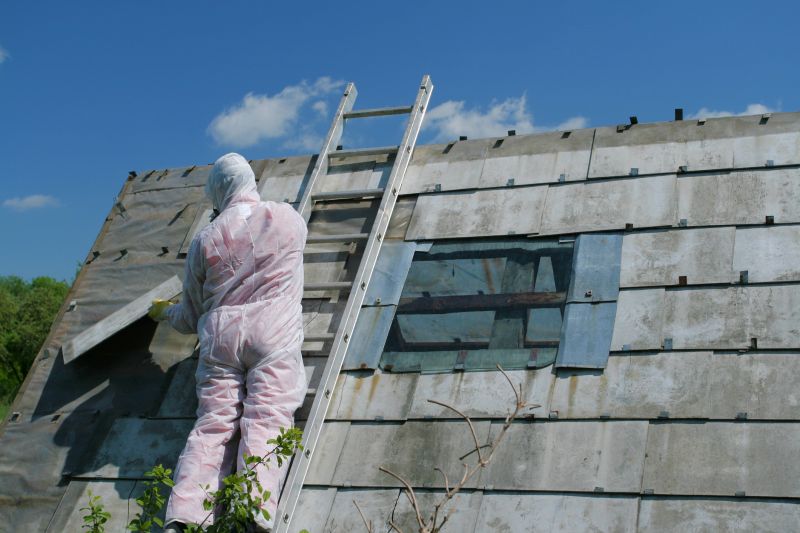
Common Encapsulation Applications
This service is often used for asbestos in flooring, ceiling tiles, and pipe insulation in homes around freehold, nj.
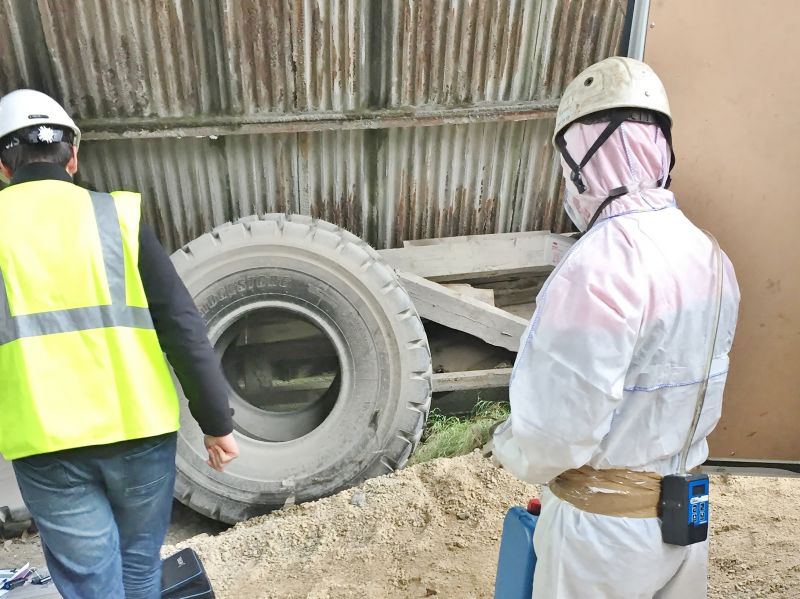
Why Choose Encapsulation
Encapsulation provides a safe, cost-effective alternative to removal for managing asbestos-containing materials.
Asbestos Encapsulation in Freehold, NJ

Asbestos encapsulation is a service designed to safely contain asbestos-containing materials within a property, preventing the release of fibers into the air. This process involves applying a protective coating or sealant over existing asbestos materials, such as roofing, siding, or flooring, to isolate them from the living environment. It is often requested during renovation projects, property inspections, or when asbestos materials are in good condition but need to be secured for ongoing safety. Homeowners typically seek information about whether encapsulation is appropriate for their specific situation, the types of materials that can be encapsulated, and the benefits of choosing this method over removal.
Before requesting asbestos encapsulation, property owners should understand the condition of their existing asbestos materials and consult with professionals to assess whether encapsulation is suitable. It is important to recognize that encapsulation is a containment strategy, not a removal method, and may be recommended when asbestos is undisturbed and in good condition. Clarifying the scope of the project, the materials involved, and the potential need for ongoing inspections can help ensure the encapsulation process aligns with safety standards and property maintenance goals.
Many property owners in Freehold, NJ look into Asbestos Encapsulation for repairs, replacements, upgrades, and appearance-related improvements.
Common Asbestos Encapsulation Jobs
Asbestos Encapsulation - a durable coating applied to contain asbestos-containing materials.
Attic Insulation - encapsulation helps secure insulation that contains asbestos fibers.
Pipe Insulation - sealing pipe insulation prevents fiber release in areas with asbestos components.
Vermiculite Insulation - encapsulation minimizes disturbance of asbestos-laden vermiculite insulation.
Flooring Underlayment - sealing underlayment prevents asbestos fibers from becoming airborne.
Ceiling and Wall Coatings - encapsulation creates a barrier on surfaces with asbestos-containing materials.
Asbestos Encapsulation Questions
What is asbestos encapsulation? Asbestos encapsulation involves applying a sealant or coating to contain asbestos-containing materials and prevent fiber release.
When is asbestos encapsulation recommended? Encapsulation is suitable when asbestos materials are in good condition but need to be sealed to reduce health risks.
Is asbestos encapsulation a permanent solution? Encapsulation provides a long-term containment method, but regular inspections are advised to ensure effectiveness.
What types of asbestos materials can be encapsulated? Commonly encapsulated materials include pipe insulation, siding, and ceiling tiles containing asbestos.
Request Asbestos Encapsulation in Freehold, NJ
Use the quote form on this page to share the basics of your project and request more information for the type of work you need.